
TL;DR
Cast iron earns its place because one material covers both ends of the heat range. The LAVA 28 cm deep casserole holds 6.71 litres and braises low and slow for hours, then goes straight to the table or the buffet. The LAVA 28 cm grill pan does the opposite job: a hot, fast sear with proper char lines. Both are enamelled, both work on induction, neither needs seasoning, and both will outlast most of the kitchen around them. Preheat gently, lift with two hands and wash by hand.
Autumn has arrived in Gozo, and the menus are changing with it. Out go the grilled fish and cold salads. In come lamb shanks, beef cheeks in red wine and the stuffat tal-fenek every Gozitan kitchen has an opinion about. It is the time of year when chefs start asking us about heavy pots again.
Modern cookware has given chefs plenty of lighter, faster options. Yet when the braising starts, cast iron is still what most kitchens reach for. Two pans from the LAVA range show why: one built for low and slow, the other for hot and fast.
Why the Weight Matters
Cast iron is a poor conductor of heat. It warms slowly, and on a fierce flame from cold it develops hot spots. What it has instead is mass. A heavy pan stores a great deal of heat, and once it is up to temperature it stays there. Add cold meat and the temperature barely moves. Turn the burner down and the pan carries on cooking gently.
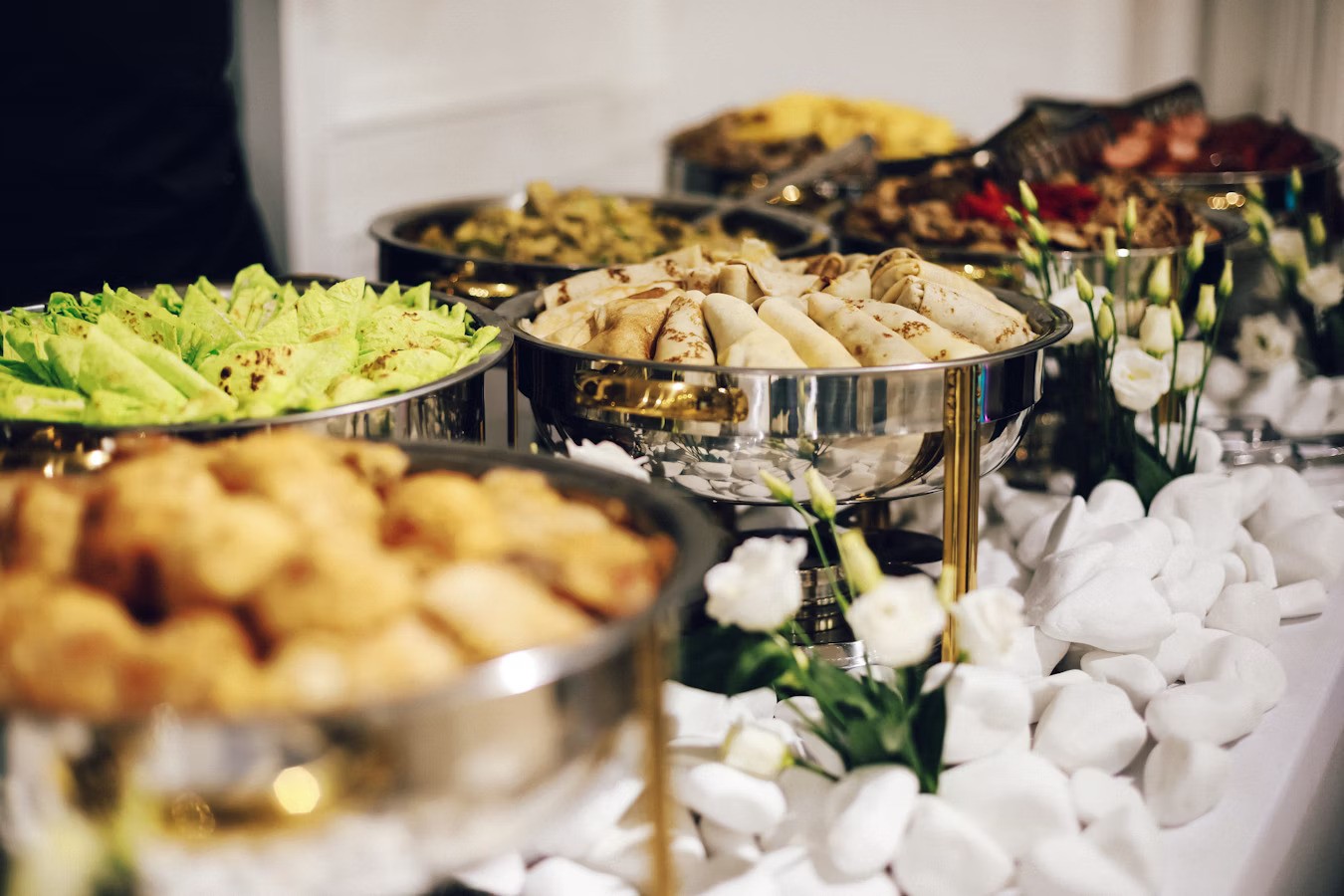
That stored heat is the whole point. It gives a braise the steady temperature it needs over three or four hours. It keeps a dish hot on the pass while the rest of the order is plated. On a buffet, it holds food at serving temperature far longer than thin steel.
The secret is patience at the start. Both pans should be preheated over a low heat for seven to ten minutes before cooking. That slow start spreads the heat right through the metal, protects the enamel from thermal shock and gives you the even cooking surface cast iron is known for.
The Deep Casserole: Low and Slow
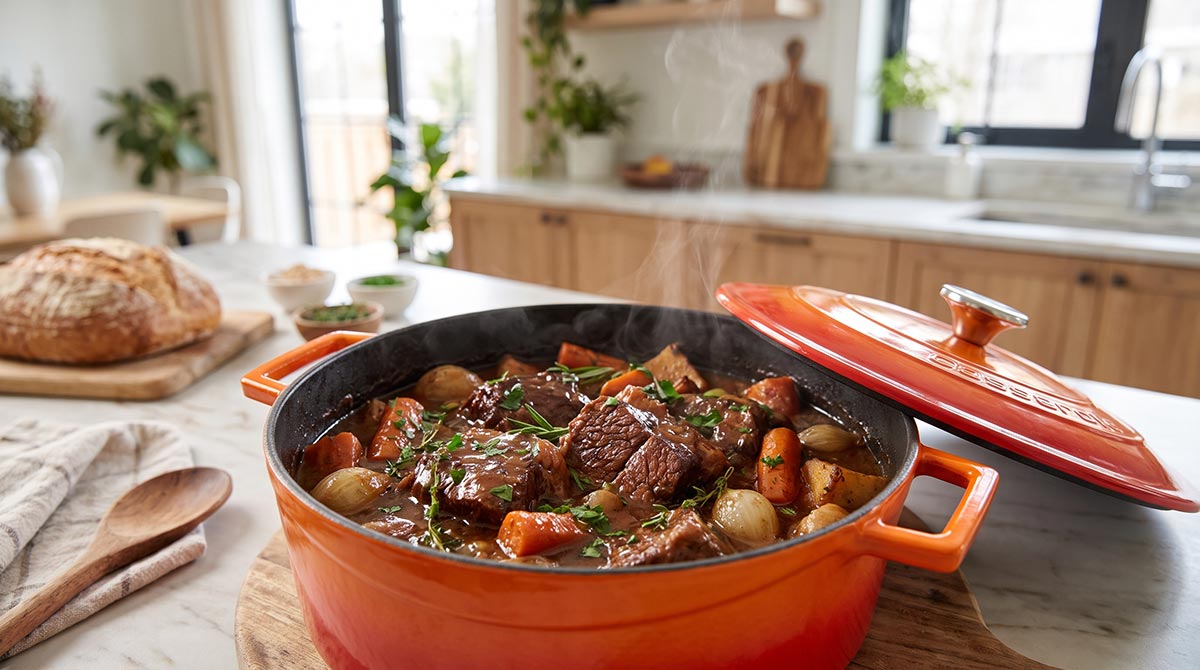
The LAVA 28 cm deep casserole is a proper batch cooking pot. It holds 6.71 litres, enough for a full batch of shanks or a large stuffat for Sunday lunch service. It works on every hob type, induction included, and goes straight into the oven. Brown the meat, deglaze, cover and slide it into a low oven, all in the same pot.
The detail chefs notice first is the lid. Its underside is studded with small spikes. As the braise cooks, steam rises, condenses on the lid and drips from the spikes back onto the food. The result is continuous basting while the oven door stays shut. Meat stays moist, the sauce reduces slowly and the flavour stays in the pot.
Then there is front of house. The glossy orange enamel looks the part on a buffet or carried to the table for sharing. A braise served in the pot it was cooked in stays hot through the whole meal, and the pot replaces a serving dish.
A braise served in its own pot stays hot until the last plate is cleared. That is heat retention your guests can see.
The Grill Pan: Hot and Fast
The LAVA 28 cm round grill pan puts the same stored heat to the opposite use: a hard, fast sear. Raised ridges lift food clear of the fat and leave clean char lines on lamb chops, pork, chicken thighs, halloumi and autumn vegetables such as pumpkin and fennel.
The pan is cast in one piece, so there are no rivets or welds to work loose. The long handle keeps hands away from the heat, and a silicone handle cover is included for safe lifting during service. Two pouring spouts let you drain fat cleanly or save the juices for a quick pan sauce.
On an autumn menu the two work as a team. The casserole carries the slow braise. The grill pan handles the charred sides and quicker dishes that sit alongside it.
Living with Cast Iron
Respect the weight. The casserole weighs 7.26 kg empty, and filled with a braise it comes close to 14 kg. Lift it with both hands and dry oven gloves, and clear a path before it leaves the oven.
Avoid sudden temperature changes. A hot pan plunged into cold water, or a cold pan set on a fierce flame, can craze or chip the enamel. Let pans cool before washing and always preheat gently. On induction, lift the pan rather than sliding it, to protect the glass.
Wash by hand. Both pans are rated dishwasher safe, but commercial dishwashing chemicals dull enamel over time. Warm water, mild detergent and a soft sponge keep the finish looking new. If they do go through the machine, an extra rinse cycle helps. Dry them thoroughly before storing.
Use wooden or silicone utensils. They protect the enamel interior through heavy daily use.
Treat them this way and they keep working long after lighter pans have been replaced. There is no nonstick layer to wear away and no seasoning to maintain. A good cast iron pan performs in its tenth winter exactly as it did in its first.
Both pans are in stock now. Call into our showroom in Xewkija and lift one yourself, because the weight tells you more than any description. Or get in touch and we will help you choose the right pieces for your winter menu.
Frequently Asked Questions
Do these pans work on induction?
Yes. Cast iron is magnetic, so both pans work on induction hobs. Preheat on a low setting rather than boost, and lift the pan instead of sliding it across the glass.
Can enamelled cast iron go in the dishwasher?
Both pans are rated dishwasher safe. We recommend hand washing with a mild detergent, because commercial dishwashing chemicals gradually dull the enamel. If you use the machine, add an extra rinse cycle.
Do I need to season them?
No. Both pans are coated in enamel, which seals the iron. They are ready to use straight out of the box.
Will the enamel chip?
Enamel is tough, but it is a glass coating. Drops, knocks against hard edges and sudden temperature changes are the usual causes of chips. Preheat gently, let pans cool before washing and use wooden or silicone utensils.
Can the casserole go in the oven?
Yes. It works on every hob type and in the oven. Microwaves are the only exception.
Why use cast iron rather than stainless steel for braising?
Stainless steel heats faster and weighs less, which makes it the better choice for quick sauté work. For long braises, the mass of cast iron holds a steadier temperature and the heavy lid keeps moisture in. Most busy kitchens use both.