
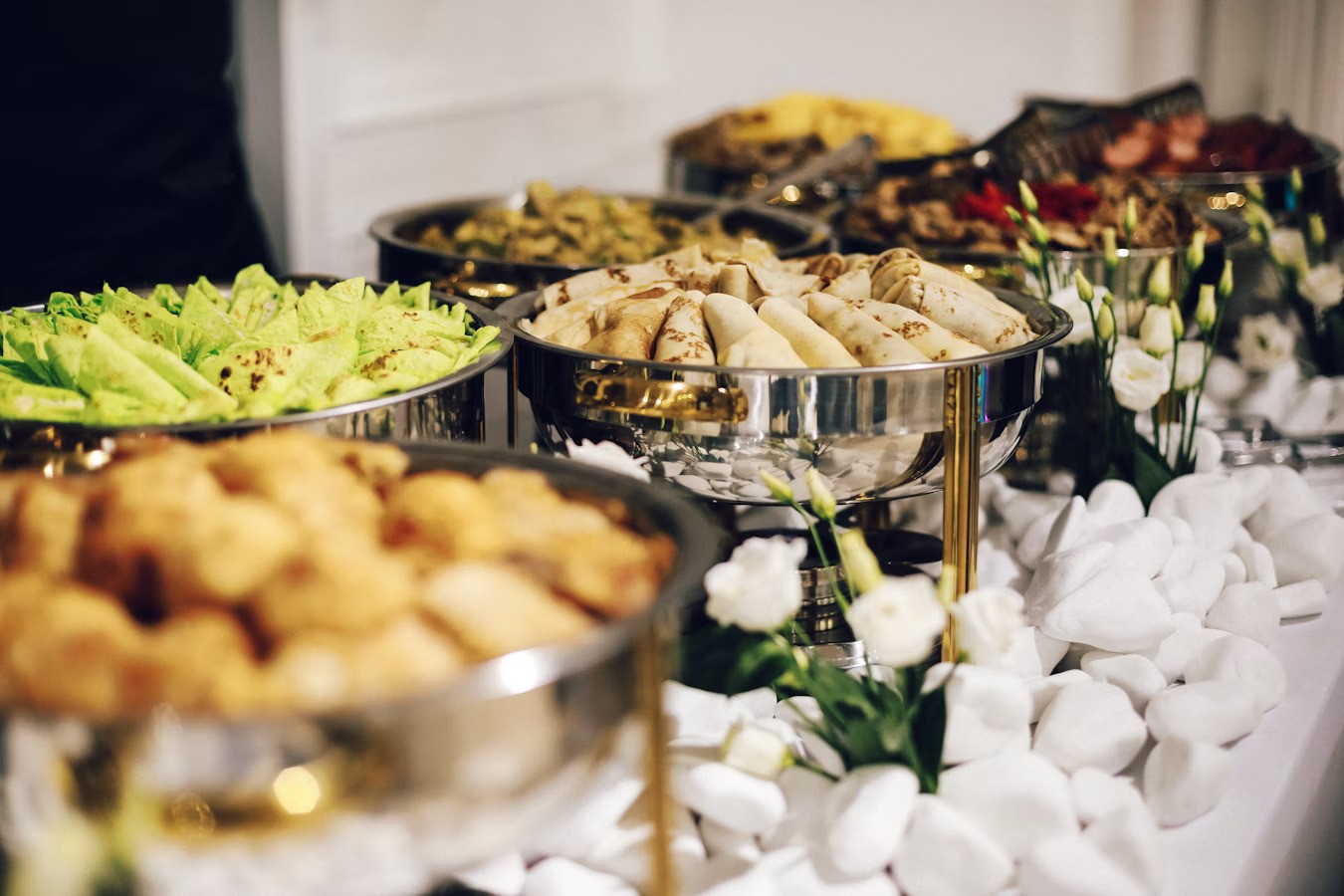

Equipment Planning for Event Caterers and Pop-Ups
A permanent kitchen is a known quantity. The gas supply is there, the extraction is rated for the equipment beneath it, the refrigeration is sized for the volume, and the wash-up is at the end of the service run. Event catering starts from a different position entirely: a site you may not have seen before, a power supply that may or may not match what you need, and a menu that has to be achievable within whatever footprint the event allows.
The operators who do this well are not the ones with the most equipment. They are the ones who have thought carefully about which equipment earns its place, how each piece performs under real conditions, and what happens when something does not go to plan. This guide is about that thinking, applied to the main categories of equipment an event caterer or pop-up operator needs to work through before committing to a kit.
Start with power and fuel
Before any equipment decision, the energy question needs an answer. What power supply will the site provide, at what amperage, and is it reliable under sustained load? Is gas available, or will everything need to run on electricity? Are you working from a generator, and if so, what is its output and how close to capacity will your equipment take it?
These are not questions to answer on the day. An event caterer who arrives on site to discover that the available power supply will not support the cooking equipment they have brought has a serious problem with no good solution. The energy audit is the first step in equipment planning, not an afterthought.
In Malta's outdoor event environment, where summer sites are often open fields, village squares, or temporary structures with limited fixed infrastructure, this question is particularly important. A kit built around gas cooking with electrical support for refrigeration and holding gives more flexibility than one dependent entirely on mains electricity, but the right answer depends on the events you are catering and the sites you are working on.
Cooking equipment
The cooking equipment is where most event caterers start their thinking, and rightly so. It defines what the menu can deliver. The question is not simply what equipment you need to cook the food, but what equipment you can set up quickly, operate reliably across a full service, and transport without damage between events.
Compact cooking ranges, single and double burner units, countertop fryers, griddles, and induction hobs all have a role in mobile catering kits depending on the menu. The most important specification consideration for outdoor event use is build quality: equipment that is well-constructed from robust materials will survive the repeated loading, transport, and setup that event catering demands. Equipment that is adequate in a permanent kitchen may not survive the same treatment.
Menu discipline matters here too. An event caterer who tries to replicate the full range of a restaurant kitchen in a mobile setup tends to create complexity that works against service speed. The operators who build the most effective pop-up kitchens tend to have menus designed around the equipment rather than equipment assembled to support an unrestricted menu.
Holding and temperature management
Cooking the food is one challenge. Holding it at safe and consistent serving temperature across a service that may run for several hours is another, and it is the one that catches event caterers out more often than any other.
Hot holding equipment, whether bain-marie units, gastronorm holders, or heated display equipment, needs to maintain safe temperatures reliably without requiring constant attention from staff who are also managing service. In an outdoor environment in summer, where ambient temperatures are high and equipment is working harder than its specification sheet anticipates, that reliability matters more than it does in a controlled kitchen environment.
Cold holding is the more critical side of the equation in the Maltese climate. An event running through a July afternoon places real demands on any refrigeration equipment that is not rated for high ambient temperatures. Under-counter units that perform well in an air-conditioned kitchen may struggle to maintain safe temperatures in an outdoor marquee at 35°C. This is a specification conversation worth having before the first event of the season, not during it.
Cold chain integrity at an outdoor event in a Maltese summer is not a minor operational detail. It is a food safety requirement, and the equipment specification needs to reflect that.
Refrigeration for mobile use
Portable refrigeration for event catering covers a wide range, from insulated transport boxes and passive cooling solutions through to compact plug-in refrigeration units suitable for van or trailer installation. The right choice depends on the duration of the event, the volume of chilled product being held, the ambient conditions, and the power supply available.
For short events with limited chilled product, well-specified insulated transport equipment may be sufficient, provided the initial temperature of the product is correct and the boxes are not opened unnecessarily during service. For longer events, higher volumes, or anything involving raw protein, active refrigeration is the appropriate specification. The risk profile of inadequate cold chain management at a public event is not one worth accepting for the sake of a lighter kit.
For caterers operating regularly at events rather than occasionally, a dedicated refrigeration unit specified for mobile or high-ambient use is a worthwhile investment. It removes a variable that should not be a variable, and it allows the team to focus on service rather than managing temperature concerns throughout the event.
Water, warewashing, and waste
In a permanent kitchen, water supply and waste disposal are infrastructure. In an event kitchen, they are logistics problems that need to be solved before service begins. How much water does the kit require, where is it coming from, and where is the waste going?
For events with mains water access, the question is connection and pressure. For events without it, fresh water storage and grey water disposal need to be planned into the kit. Warewashing at events is often managed with minimal equipment: a two-sink system with clean and dirty water separation, or a compact undercounter machine if power and water supply allow. The key is having a clear system that can be operated consistently by the team under service pressure, not improvised on the day.
Waste management is often the least glamorous part of event catering planning and the one most likely to cause problems if it has not been thought through. Volume of waste relative to collection points, separation requirements, and the practical reality of managing waste in a busy temporary kitchen all need to be considered as part of the initial site assessment.
Transport and setup
Equipment that is ideal in use but difficult to transport is a compromise that compounds with every event. Weight, dimensions, fragility in transit, and the time required to set up and break down are all meaningful factors in a mobile catering operation where the vehicle, the crew, and the schedule are all constrained.
The most effective event catering kits are built with transport in mind from the outset. Equipment is chosen partly for its performance and partly for its practicality as a piece of kit that will be loaded, unloaded, and set up repeatedly. Standardised storage and transport systems, consistent positioning within the vehicle, and a setup sequence that the team can execute reliably under time pressure all contribute to an operation that arrives on site ready to work rather than one that spends the first hour finding its feet.
Building a kit that grows with your operation
Most event catering operations start small and expand as the work increases. A kit that is well-specified for the first season of trading may need to be reviewed and extended as volumes grow, as the event types being catered diversify, or as the team's experience reveals what is working and what is not.
The most sensible approach is to build the core kit around the equipment that is genuinely non-negotiable for the current menu and volume, resist the temptation to over-specify at the outset, and plan for extension rather than replacement as the operation develops. An equipment supplier who understands the event catering context can be a useful sounding board at each stage of that growth, not just at the point of initial purchase.
If you are building a mobile catering kit for the first time, expanding an existing setup, or simply reassessing whether your current equipment is working as hard as it should for the events you are doing, we would be glad to talk it through.
Get in touch with the Spiteri Catering team and let us understand what you need. We handle everything from initial consultation and design through to supply, professional installation, and ongoing technical support.
Frequently asked questions
Questions we hear from caterers and pop-up operators planning their mobile kitchen setup.
Where do I start when planning a mobile catering kit?
Start with energy and water, not equipment. Knowing what power supply and water access the events you are catering can reliably provide narrows the equipment options considerably and prevents the most common and costly planning mistakes. Once those parameters are clear, work outward from the cooking equipment to holding, refrigeration, and warewashing.
Can I use the same equipment for events that I use in my permanent kitchen?
Sometimes, but not always reliably. Equipment designed for fixed installation in a permanent kitchen is not necessarily built to withstand repeated loading, transport, and setup in variable outdoor conditions. If you are catering events regularly, it is worth building a dedicated mobile kit rather than running down your permanent kitchen equipment on the road.
How do I manage cold chain at outdoor events in Malta's summer heat?
Active refrigeration rated for high ambient temperatures is the only reliable answer for anything beyond a very short event. Passive insulated storage works for transport and for brief holding periods, but should not be relied upon for raw protein or dairy products across a full afternoon or evening service in summer. Specify equipment rated for the ambient conditions it will actually face, not the conditions of a northern European kitchen.
What is the most common mistake event caterers make with their equipment kit?
Over-specifying the cooking equipment and under-specifying the holding and refrigeration. Most event caterers think carefully about how they will cook the food. Fewer think with the same rigour about how they will keep it at the right temperature across the full duration of the event. The second problem causes more incidents than the first.
Do I need different equipment for corporate events versus street food markets?
The core equipment categories are the same, but the specification priorities differ. Corporate and private event catering often involves more complex menus, higher volumes, and a greater emphasis on presentation and holding quality. Street food and market trading tends to prioritise speed, simplicity, and the ability to work efficiently in a compact footprint. A kit built for one context may not serve the other well without adjustment.
Related reading: How to Plan a Commercial Kitchen in Malta | Getting Your Commercial Kitchen Ready for Summer | What Goes Where: Choosing the Right Refrigeration